
How Accredited Esthetician Programs Prepare You for a Growing Field
The professional field of advanced skincare is a dynamic industry that has experienced a dramatic increase in consumer demand for highly skilled beauty professionals. This market surge is largely driven by a global rise in consumer interest regarding holistic wellness and personal care. As more individuals look for non-invasive procedures to enhance their look, the need for qualified specialists grows across the country.
Enrolling in comprehensive esthetician programs is essential for anyone considering a long-term career in this burgeoning field. These specialized educational pathways offer a highly structured method for mastering the foundational techniques required for immediate professional success. By understanding how these quality options prepare students, aspiring practitioners can make informed decisions about their upcoming professional journey in the modern beauty marketplace.
Understand the Role of Skincare Professionals
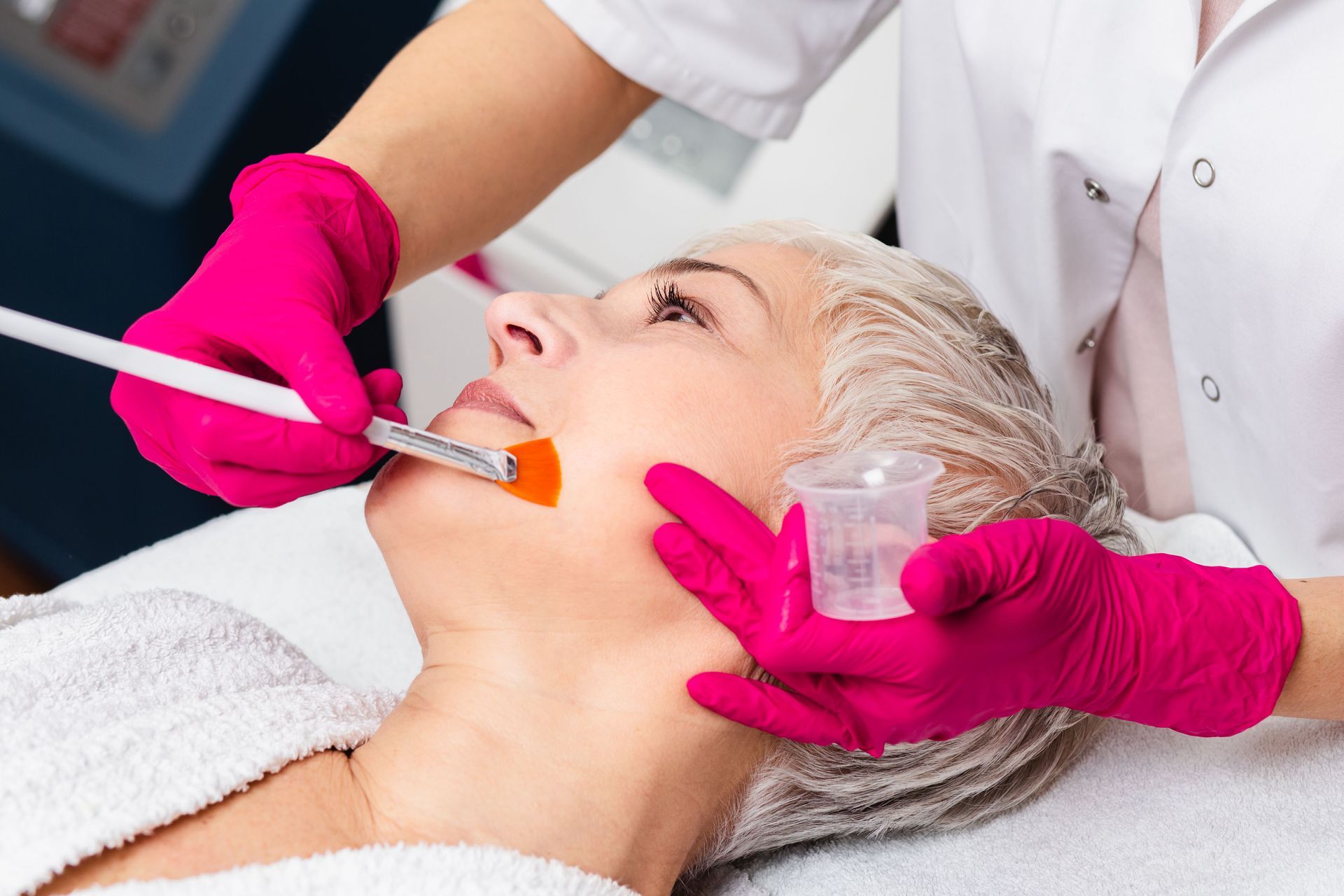
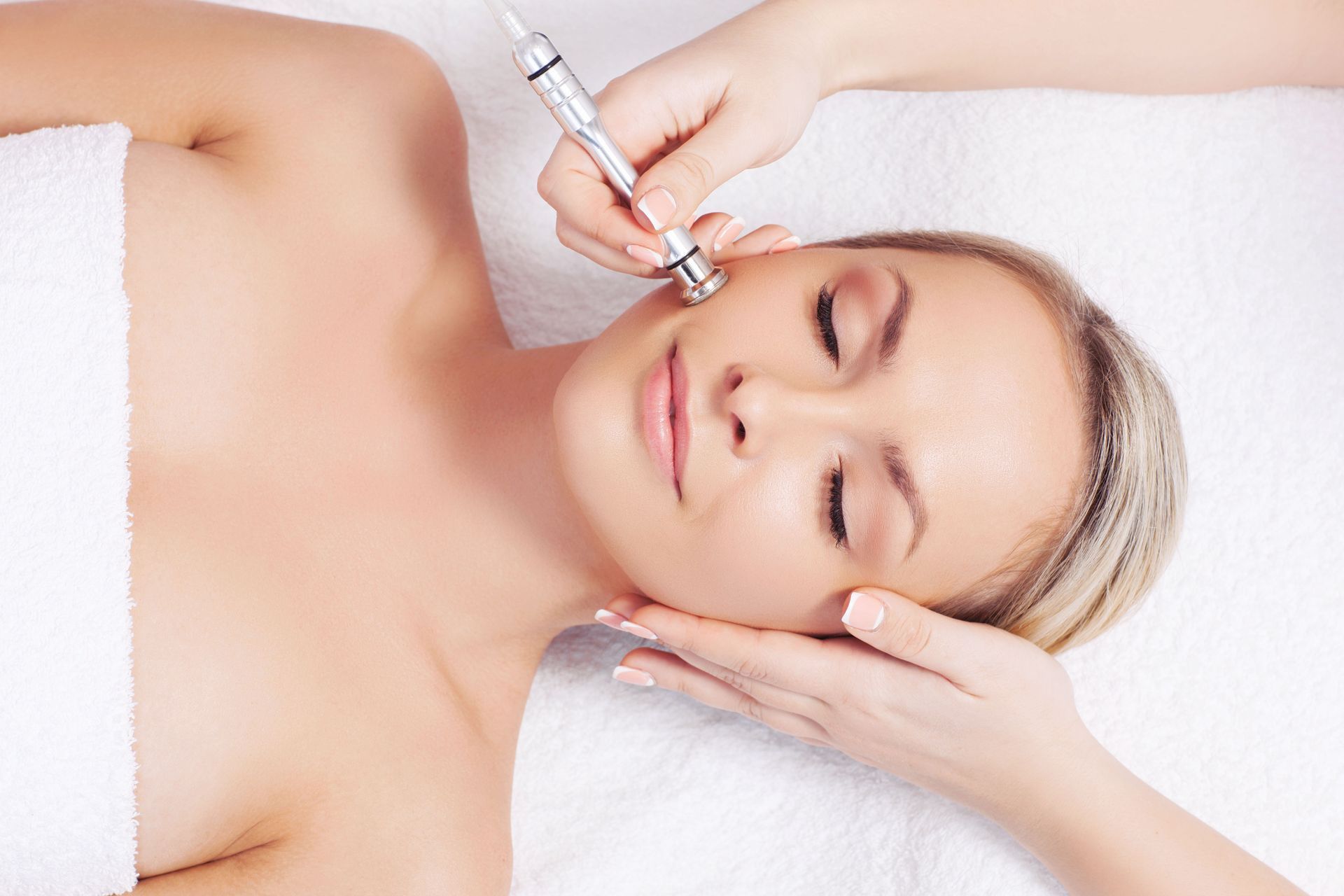
Skincare specialists provide a wide range of vital services aimed at improving the skin's overall appearance and long-term health. Their daily responsibilities include conducting thorough skin analyses, performing customized facials, and recommending effective home care routines for diverse skin types. Practitioners utilize a variety of advanced techniques and safe products tailored specifically to meet unique individual client needs during scheduled appointments.
Achieving true success in this industry requires proficiency in numerous technical skills, such as hair removal and advanced chemical exfoliation. These modalities are introduced in foundational courses and refined through regular practical training sessions. Proficiency in specialized treatments can elevate a professional's service menu significantly. These technical abilities must be complemented by excellent interpersonal communication skills to build lasting rapport.
To practice legally, skincare specialists must obtain a formal state license by completing a recognized training course. This standard ensures practitioners adhere to strict safety guidelines, promoting public welfare and professional accountability. According to Zippia, over 45,454 licensed estheticians are working throughout the United States today, highlighting the sheer size of this thriving workforce.
Review the Structure of Educational Programs
Official accreditation represents a true guarantee that educational esthetician programs meet or exceed rigorous quality standards established by regulatory boards. The validation process involves a thorough evaluation where the curriculum, facilities, and faculty members are carefully assessed by experts. Schools achieving this status demonstrate a clear commitment to delivering high-quality instruction tailored directly to modern industry needs and expectations.
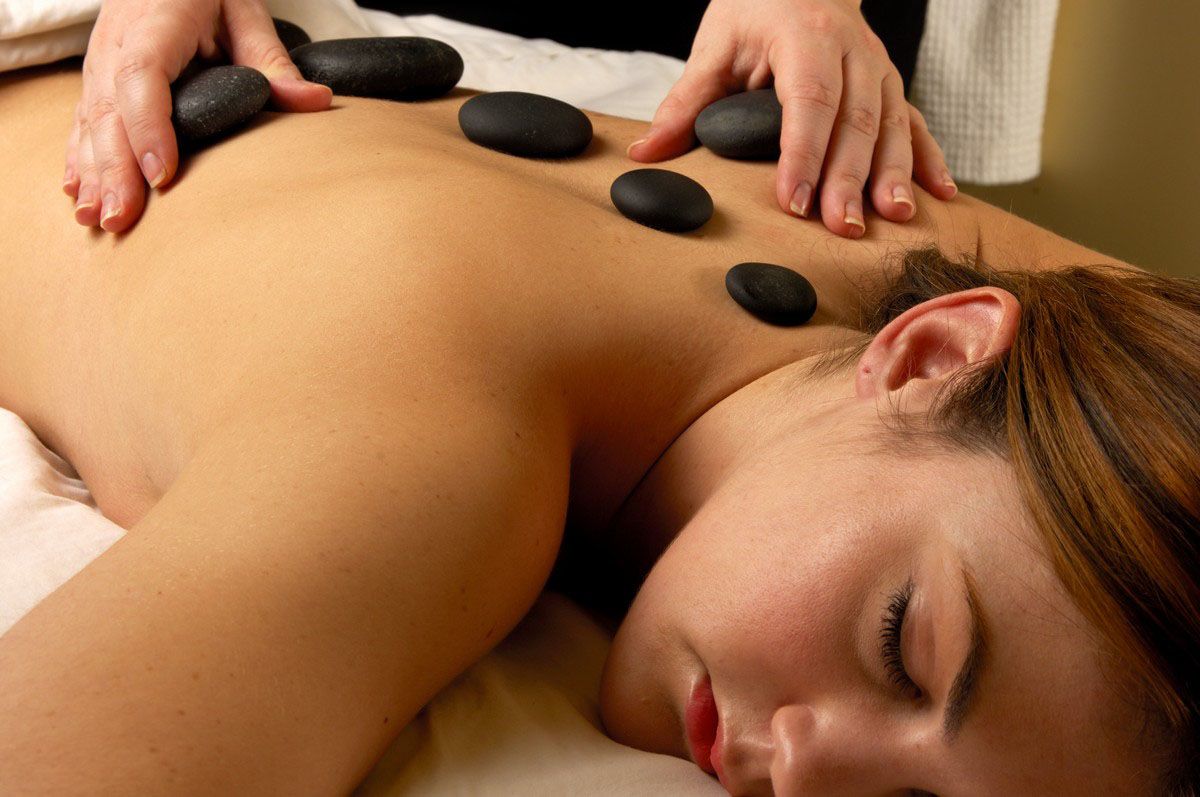
Students encounter a robust curriculum that covers both scientific theory and practical service applications during their educational enrollment. Core subjects typically include human anatomy, physiology, and basic dermatology, offering an in-depth understanding of various skin conditions. Practical training components focus heavily on popular treatments like makeup application and body therapies. This balanced educational approach ensures comprehensive professional development for all students.
Practical experience remains a critical component of professional preparation, providing hands-on training that is indispensable for skill development. Most formal esthetician programs include a mandatory clinic element where students work on real clients under direct supervisor oversight. This real-world exposure allows students to apply their classroom knowledge confidently well before graduation day arrives in their academic schedule.
Explore Career Opportunities After Certification
Certified professionals have a wide range of rewarding employment options available to them immediately upon graduation from school. Common settings include traditional beauty salons, luxury day spas, and medical wellness centers. Some practitioners secure positions in clinical facilities, offering advanced cosmetic procedures in collaboration with dermatologists or plastic surgeons who require specialized treatment assistance for their patients.
Many individuals choose an entrepreneurial route by launching an independent business or a mobile practice after licensing. This professional path offers complete independence and total control over one's schedule, service menu, and target clientele. Operating a successful business demands both technical excellence and strong operational acumen, including marketing and financial management skills for growth.
The consumer demand for quality skincare services is projected to grow significantly over the coming years without showing signs of slowing. This expanding interest in personal wellness ensures robust job security and a dynamic career landscape for incoming newcomers. Evolving beauty trends and the regular introduction of innovative treatments contribute to this ongoing market expansion for workers nationwide.
Overcome Challenges Faced by New Students
Completing intensive esthetician programs can present several distinct challenges for incoming students during their academic terms. Academic pressures, financial constraints, and balancing personal commitments often pose significant difficulties during training. Establishing effective study habits and strict time management strategies can help individuals overcome these hurdles successfully while completing their required educational courses on campus.
The total cost of tuition and supplies is a major consideration for prospective students entering the field. While these educational expenses can seem daunting, options like scholarships, institutional loans, and federal grants are often available. Researching financial aid opportunities can significantly alleviate the burden of educational costs for qualified applicants seeking immediate enrollment.
Developing both theoretical knowledge and practical hands-on skills requires immense dedication from aspiring practitioners throughout their studies. Achieving a perfect balance between scientific lectures and hands-on clinic hours can be challenging for some learners. Instructors provide personalized guidance to help students master complex techniques safely while preparing for their upcoming state licensing exams.
Anticipate Future Trends in the Industry
Modern technology continues to reshape the educational landscape by introducing advanced tools into the training classroom environment. Virtual reality simulations, online learning modules, and interactive anatomical software enhance the overall training experience for students. These innovations provide flexible learning opportunities tailored to diverse student needs while modernizing the way core concepts are delivered effectively.
The beauty marketplace is experiencing continuous expansion in specialized niches driven by recent scientific breakthroughs and discoveries. Emerging fields like oncology aesthetics cater to specific client populations, offering gentle treatments for cancer patients. Eco-friendly practices and organic products also respond directly to consumer preferences for environmental sustainability across the entire beauty sector today.
Global beauty movements heavily influence local practices, shaping consumer expectations and broadening service menus across the country. Concepts like specialized international skincare routines have become major influencers within the domestic marketplace. Incorporating these diverse techniques allows practitioners to offer innovative solutions to a broad client base seeking modern treatment options.
Select the Right Training Institution for Growth
Choosing the most appropriate esthetician programs requires thorough research and careful comparison of all available options. Prospective students should evaluate institutional accreditation, curriculum depth, and graduate employment outcomes before officially enrolling. Visiting campuses and speaking with current faculty members provides valuable insights into the unique learning culture of each specific school environment.
When evaluating different esthetician programs, variables such as total cost, geographic location, and overall school reputation require careful consideration. Tuition fees should be balanced against available financial aid programs and potential long-term return on investment. The convenience of a campus location affects daily student life, commute times, and scheduling flexibility for busy learners.
Robust alumni networks and dedicated career placement services provide essential support during the critical professional transition phase. These professional communities offer valuable connections that lead directly to mentorship, job leads, and industry insights. Career counselors assist with resume writing, interview preparation, and job search strategies to boost long-term employment prospects significantly.
Enrolling in accredited esthetician programs plays an indispensable role in equipping individuals with the practical skills and credentials required for professional success. From comprehensive classroom coursework to supervised hands-on training, these institutions prepare future specialists to meet strict industry standards. As consumer demand for customized skincare solutions rises, the importance of selecting high-quality paths becomes clear.
By investing in premier esthetician programs, aspiring beauty specialists lay a strong foundation for a rewarding and enduring career. Formal training ensures that practitioners remain competitive, adaptable, and fully compliant with state regulatory frameworks. To begin your journey toward a thriving career in this vibrant industry, we invite you to explore the comprehensive training options available at the American Academy of Aesthetics.
















Share On: