
Essential Things to Know Before Beauty School
Embarking on a journey to beauty school is a thrilling adventure filled with opportunities to acquire new skills and express creativity. Before taking the plunge, there are crucial elements and insider tips you need to be aware of to make the most of your beauty school experience. Understanding the expectations and the path ahead will empower you to make informed decisions and optimize your educational experience. This comprehensive guide will explore various aspects of beauty school, from curriculum and financial planning to networking and skills development. By the end of this exploration, you will be well-equipped to embark on your beauty school journey with confidence and enthusiasm.
Understanding the Curriculum
1. Core Subjects to Expect
The beauty school curriculum typically includes a wide range of subjects aimed at equipping students with foundational and advanced skills. Core subjects generally cover anatomy, dermatology, cosmetology, hairstyling, and skincare. In-depth courses in chemistry and color theory are also critical as they provide the scientific basis for many beauty treatments. Understanding these fundamentals is essential for anyone pursuing a professional career in the beauty industry. By mastering these core areas, students gain the knowledge necessary to provide a variety of services and address diverse client needs.
2. Balancing Theory with Practical Training
The beauty industry is as much about practical skills as it is about theoretical knowledge. Beauty schools emphasize this balance by integrating hands-on training with classroom instruction. Practicing on mannequins and live models under supervision allows students to apply theoretical concepts in real-world settings. This balance ensures that students not only understand concepts but can also implement them effectively. The experiential learning component is crucial as it prepares students to transition smoothly from a classroom environment to a professional setting.
3. Importance of Accreditation
Accreditation is a fundamental element to consider when choosing a beauty school. Attending an accredited school ensures that the education you receive meets established quality standards and is recognized by the industry. An accredited program is often required to qualify for state licensing exams, which are typically necessary to work legally in the field. Accreditation also increases your employment prospects as employers often prefer graduates from accredited programs. Therefore, verifying the accreditation status of a prospective beauty school is crucial for future success.
4. Specialty Courses and Electives
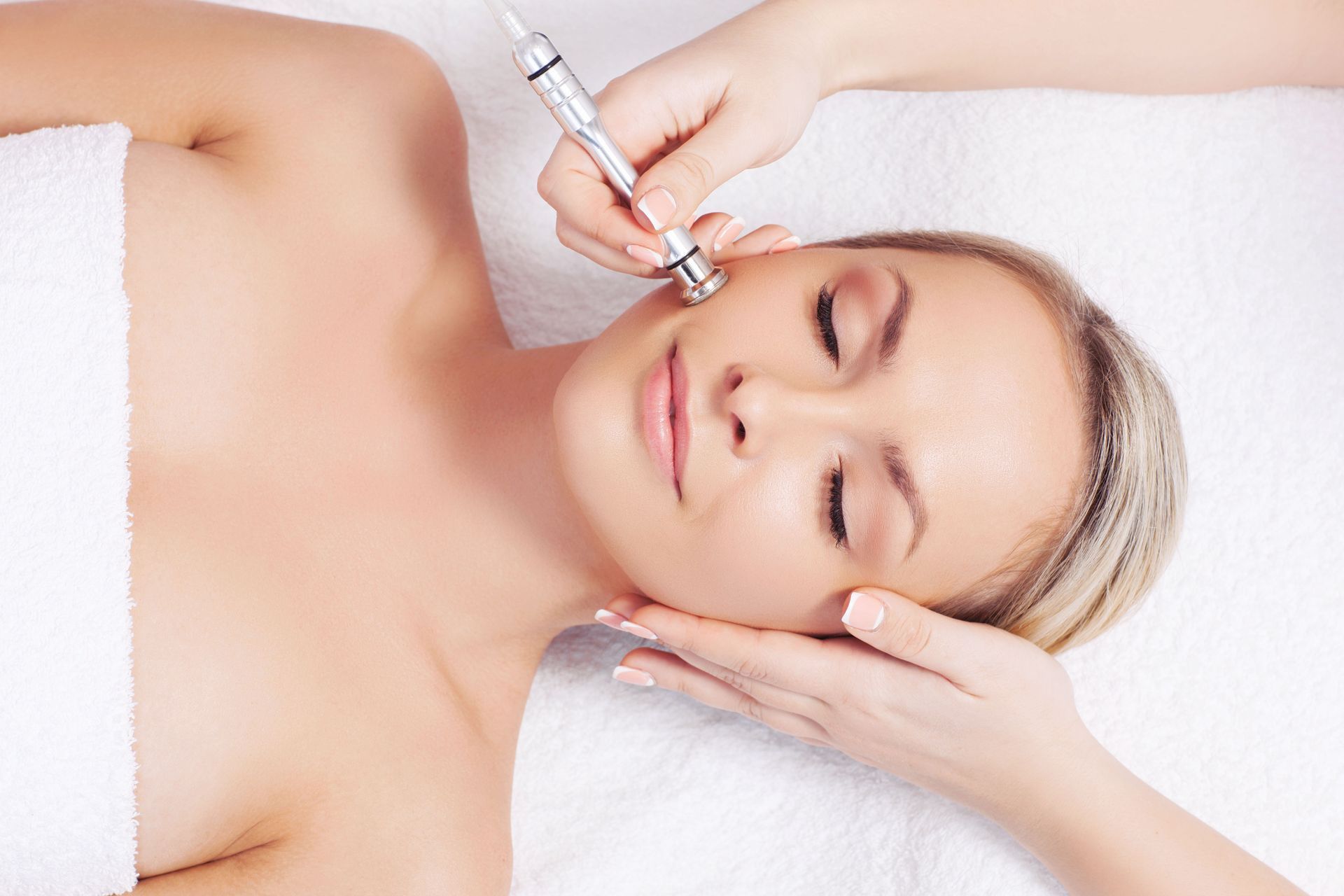
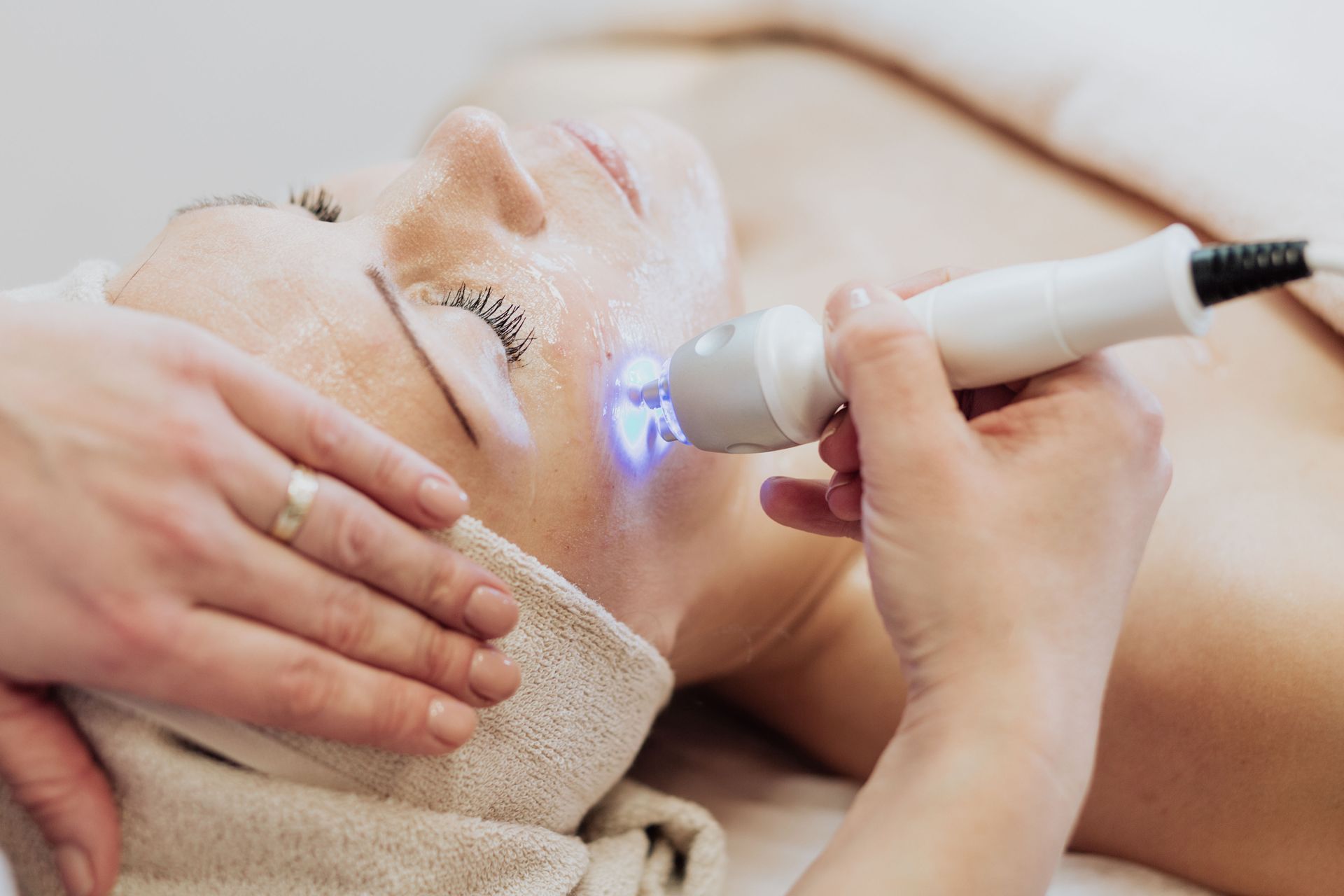
In addition to core subjects, many beauty schools offer specialty courses and electives to allow students to tailor their education according to their interests. These may include classes in advanced hairstyling, makeup artistry, nail technology, and even business management. Such courses provide an opportunity to specialize in a particular area, giving you an edge in the competitive beauty industry. Advanced courses also offer a platform to experiment creatively and build expertise in niche areas. According to the U.S. Bureau of Labor Statistics, approximately 6,600 job openings for skincare specialists are projected each year, on average, from 2024 through 2034. Customizing your learning experience can open up diverse career opportunities post-graduation.
5. Examination and Certification Requirements
Certification is a key milestone in the journey through beauty school, culminating with passing licensure examinations. Each state has specific requirements regarding the types of exams students need to pass to become certified in their chosen field. These exams typically include both written and practical components to assess comprehensive skill proficiency. Understanding certification prerequisites early can help guide your course selection and study efforts. Being well-prepared for these exams is not only critical for passing but also for securing a rewarding career in the beauty industry.
Financial Planning and Scholarships
1. Tuition Costs and Additional Fees
The financial aspect of attending beauty school is one of the most significant factors to consider. Tuition costs can vary widely depending on the school's location, reputation, and length of the program. In addition to tuition, students should budget for additional fees such as registration, lab usage, and textbooks. Ancillary expenses, including tools, uniforms, and personal supplies, can also add up quickly. A detailed budget will help anticipate these costs and reduce the risk of unexpected financial strain during your studies.
2. Budgeting for Supplies and Materials
Effective budgeting encompasses all the materials you will need throughout your beauty school journey. These materials can include cosmetology kits, skincare products, and hair styling tools. Investing in quality supplies early on can save money in the long run, as durability is crucial for tools used daily. It’s a good practice to consult with instructors and peers to identify essential versus luxury items when assembling your kit. Prioritizing necessities ensures you are well-prepared for hands-on training without impacting your overall financial resources.
3. Exploring Scholarship Opportunities
Scholarships are an excellent way to alleviate the financial burden of attending beauty school. Various organizations, both within and outside the beauty industry, offer scholarships for aspiring beauty professionals. Researching these opportunities and preparing applications in advance increases the likelihood of receiving aid. Pay attention to deadlines and scholarship requirements, as missing these can be a lost chance for financial assistance. Leveraging scholarships can significantly lower education costs and allow you to focus on your studies.
4. Managing Student Loans
Student loans are a common method of financing education, but they require careful management. Before deciding to take out student loans, it’s important to assess your financial situation and explore all other forms of aid. If loans become necessary, focus on understanding repayment terms and interest rates. Proactively making interest payments while in school can reduce the overall loan burden. By developing a smart financial plan, you can manage loan obligations conscientiously and minimize long-term impact.
Time Management Skills
1. Creating a Study Schedule
A well-structured study schedule is essential for success in beauty school. Efficient time management helps in balancing multiple responsibilities, including attending classes and completing assignments. Start by identifying your peak productivity periods and schedule study sessions during these times. Factor in preparation for exams, practical assessments, and extra study for special topics. Being organized is key to reducing stress and ensuring you stay on top of all course requirements.
2. Balancing School, Work, and Personal Life
Balancing school, work, and personal life demands effective prioritization and time management skills. Understanding how to compartmentalize different areas of life helps in allocating appropriate time to each activity. While it may be tempting to devote all time to studies, it’s essential to allocate time for relaxation and personal activities to maintain overall well-being. Knowing when to say no is important to avoid burnout and maintain a healthy lifestyle. Setting clear boundaries between school and personal time contributes to better focus and improved satisfaction in all areas of life.
3. Setting Realistic Goals
Goal setting is a powerful tool for motivating and driving success in beauty school. Break down long-term goals into manageable short-term objectives that are achievable and specific. Setting goals that are realistic can prevent discouragement and keep you on track throughout your program. Regularly review these goals and adjust them as necessary to reflect progress and any changes in circumstances. By systematically working towards well-defined goals, you can maintain focus and momentum throughout your beauty school journey.
4. Tools and Apps for Organization
Tools and apps for organization can streamline the process of managing complex schedules associated with beauty school. Calendar applications and task management tools can help plan study sessions, book practice clients, and track assignment deadlines. Additionally, apps focused on time management can offer reminders and insights into how you're spending your time. Using these digital tools effectively requires consistency and discipline but can lead to increased productivity. Being digitally organized empowers you to focus more on your education and less on the logistical challenges of balancing school commitments.
Going to beauty school is more than just attending classes; it's about laying a strong foundation for a successful career in the beauty industry. By understanding these essential aspects beforehand, you can navigate beauty school with confidence and fully embrace the myriad opportunities it offers. From mastering core curriculum subjects to building a professional network, each step is vital in shaping your future in the beauty world. With dedication, skill, and an open mind, the journey through beauty school can be both fulfilling and transformative. Embrace the adventure, and prepare yourself for an exciting career filled with creativity and growth. Reach out to American Academy of Aesthetics today to see how we can help you!




























Share On: