
Why Modern Esthetician Training Focuses on Non-Invasive Care
The shift towards non-invasive care in esthetician training marks a significant evolution in the beauty industry. As clients increasingly seek safer, effective, and affordable options, estheticians must be equipped with the skills to meet these demands. Non-invasive techniques have taken center stage, offering an appealing alternative to traditional invasive procedures. This trend not only reflects consumer preferences but also advances in technology that make such options viable and effective.
1. What is Non-Invasive Care in Esthetician Training?
1.1. Definition and Importance
Non-invasive care refers to beauty treatments that do not require incisions or major medical procedures, focusing instead on surface-level procedures and techniques. The emphasis is on enhancing and rejuvenating the skin with minimal risk and recovery time. Esthetician training now prioritizes such methods due to their growing demand and success rates in achieving desired results. This approach aligns with consumer desires for treatments that offer convenience and effectiveness without compromising safety.
The importance of non-invasive care is underscored by its reduced complications compared to invasive methods. With fewer risks involved, clients experience less anxiety and can return to their daily routines almost immediately. Healthier skin practices are fostered through regular, gentle treatments that maintain skin integrity and stimulate natural processes. This not only benefits the client’s physical appearance but also their overall confidence and wellbeing.
Non-invasive care's relevance is growing within esthetician training because of its adaptability to new technologies and trends. For example, light therapy and radiofrequency devices offer innovative solutions that enhance traditional skincare routines. According to PreScouter, the number of minimally or non-invasive treatments has increased dramatically, growing by nearly 200% since 2000. This surge is indicative of the industry's shift towards less intrusive methods.
1.2. Techniques Commonly Used
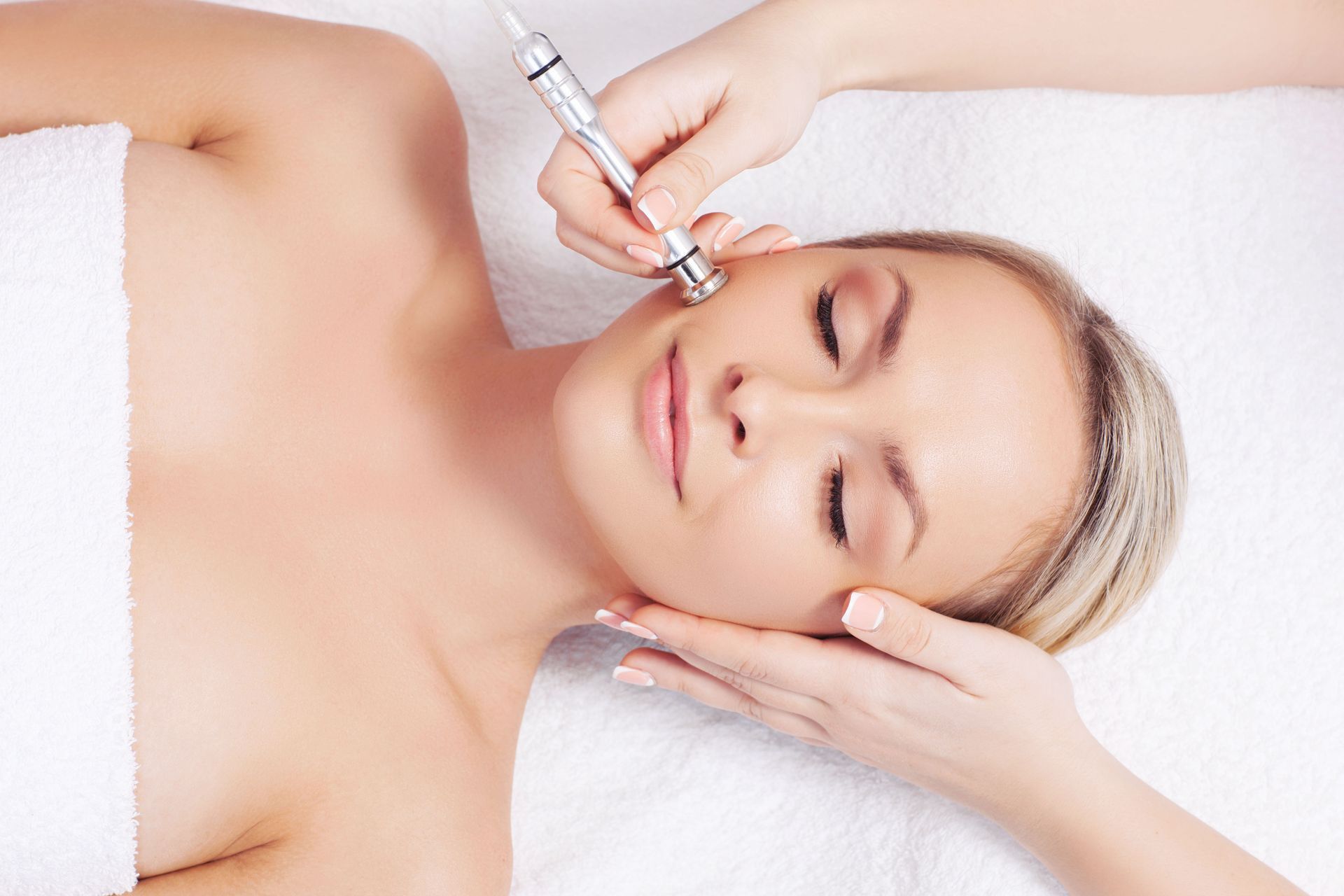
A variety of techniques fall under the non-invasive category, each offering unique benefits suitable for different skin types and issues. Microdermabrasion, chemical peels, and laser treatments are staple techniques taught in esthetician training programs. Such treatments focus on exfoliating the skin, reducing fine lines, and improving texture without surgical assistance. The popularity of these techniques is a testament to their effective results and safety profile.
Other widely adopted techniques include radiofrequency and ultrasound treatments. These methods use targeted energy to penetrate deeper skin layers without harming the outer layer, promoting collagen production and tightness. Clients appreciate these options for their minimal discomfort and visible improvements over time. As technology advances, these techniques become more refined, offering even better results and contributing to the evolving curriculum in esthetician training.
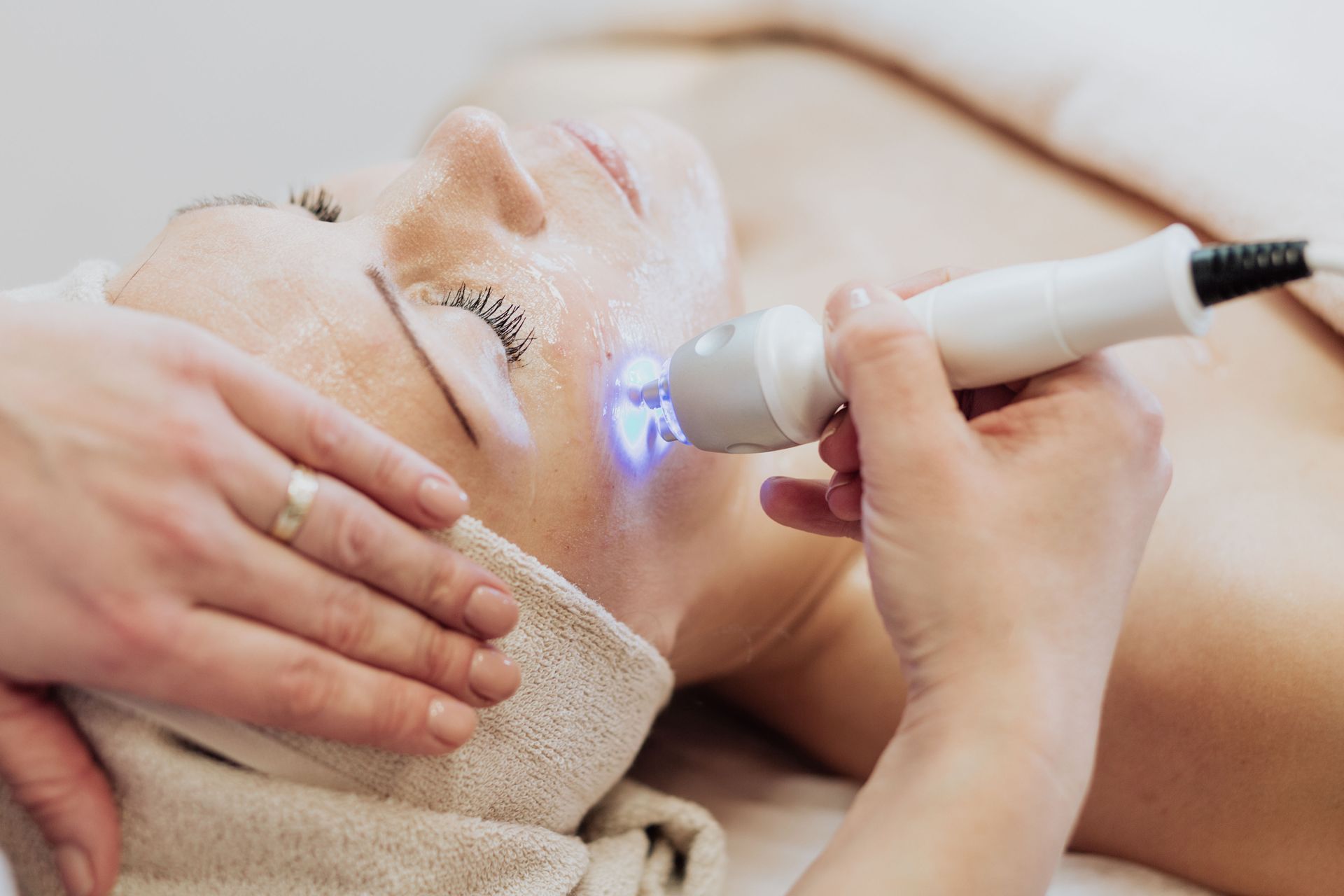
LED light therapy is another innovative approach included in non-invasive care due to its versatility and appeal. Esthetician training prepares students to use different wavelengths of light to target various skin concerns such as acne or signs of aging. These treatments are painless and quick, providing clients with a rejuvenated appearance with no downtime. The growing accessibility of these tools encourages more clients to explore non-invasive options for their skincare routine.
2. How Has Esthetician Training Evolved Over the Years?
2.1. Historical Perspective
The origins of esthetician training can be traced back to foundational practices focused on basic skincare and manual techniques. Initially, the field concentrated on facials, applications, and massages with limited technological interventions. Over the decades, as medical aesthetics grew, the demand for more sophisticated, science-based education became pronounced. Esthetician programs evolved to include anatomy, chemistry, and skin analysis to provide a deeper understanding of skin biology.
In the 21st century, as beauty ideals transformed and medical aesthetics gained popularity, non-invasive options became central to conversations about skin health. The integration of these methods into esthetician training signifies a progressive shift from merely cosmetic enhancements to comprehensive skin health. Academies began equipping students with knowledge about cutting-edge technologies that drive non-invasive procedures. This development paved the way for estheticians to deliver holistic, client-centered care.
With a focus on innovations and technological advancements, the scope of esthetician training has broadened significantly. This expansion ensures aspiring estheticians are well-versed in both traditional and contemporary methods to meet diverse client needs. Historical influences have culminated in a robust curriculum that champions non-invasive techniques as the cornerstone of modern beauty culture. Future trends suggest continual adaptation as the industry unfolds.
2.2. Changes in Curriculum
The curriculum for esthetician training has seen a transformation as the industry challenges traditional concepts of beauty. Modern programs offer comprehensive training that encompasses scientific knowledge, technological skills, and interpersonal abilities. Courses now cover a broad spectrum of non-invasive techniques while educating students on the theoretical foundations that support these methods. This prepares them to deliver treatments safely and effectively, ensuring client satisfaction.
Advanced coursework equips trainees with the skills to operate sophisticated equipment used in non-invasive procedures. This includes hands-on experience with tools such as microcurrent devices and dermal rollers, vital for contemporary practice. By integrating state-of-the-art technology into their curriculum, institutions ensure students are practically adept and professionally ready upon graduation. Consequently, they are in a position to immediately contribute to industry advancements.
3. Why Is Non-Invasive Care Important for Clients?
3.1. Safety and Health Considerations
Safety is paramount in any cosmetic procedure, and non-invasive options inherently minimize risks associated with traditional invasive methods. These treatments significantly reduce the likelihood of complications like infections, inadequate healing, or adverse reactions, fostering peace of mind for clients. By focusing on surface-level interventions, estheticians maintain a higher safety profile, aligning with strict industry standards. Non-invasive care prioritizes health without sacrificing effective results, a balance highly valued by consumers.
The emphasis on client safety is reflected in esthetician training, where practitioners learn to identify suitable candidates for various treatments. This education involves assessing skin types and medical history, ensuring that recommended procedures align with individual health conditions. Such thorough assessments showcase a commitment to client welfare, building trust and enhancing the overall treatment experience. Non-invasive care stresses a proactive approach, prioritizing client safety during both consultation and service delivery.
Furthermore, non-invasive treatments typically boast a swift recovery period, avoiding the lengthy downtime common with surgical interventions. Clients experience fewer disruptions to their daily lives and are less likely to face issues associated with post-operative care. Faster recovery times contribute to a more pleasant overall experience, encouraging repeated visits and establishing a loyal client base. This aspect of non-invasive care appeals strongly to modern consumers who value efficiency alongside effectiveness.
3.2. Client Preferences and Demographics
Client demographics have shifted significantly, with younger generations showing a marked preference for non-invasive treatments. Millennials and Generation Z, in particular, prioritize experiences that promise both instant gratification and minimal inconvenience. This demographic change drives the esthetics industry towards techniques that address these desires, positioning non-invasive care at the forefront of esthetician training. As societal beauty standards evolve, so do client expectations for fast, reliable, and safe results.
Older age groups also find appeal in non-invasive options, seeking treatments that reflect natural aging without drastic change. For these clients, non-invasive care provides an avenue to enhance their natural appearance subtly and cohesively. Esthetician training addresses this demand by equipping practitioners with techniques tailored to mature skin, resulting in more inclusive practices that serve a broader audience. Such versatility ensures that estheticians can cater to a wide range of preferences and needs.
The market trend towards self-care and wellness has further popularized non-invasive treatments. Individuals increasingly view skincare as an essential aspect of their self-care routine, integrating non-invasive procedures into their lifestyle choices. This shift emphasizes the importance of estheticians offering rejuvenating services that align with this wellness-oriented mindset. Training in this approach allows practitioners to connect meaningfully with their clients, fostering long-term relationships based on comprehensive care.
The focus on non-invasive care in esthetician training reflects an essential adaptation to modern beauty needs. These techniques offer a harmonious balance between effectiveness and safety, appealing to a variety of clients with diverse preferences and budgets. As the industry continues to evolve, esthetician training will undoubtedly emphasize further innovations in non-invasive methods. This dedication ensures that estheticians remain at the forefront of beauty care, ultimately enhancing client satisfaction and advancing the field as a whole. Reach out to American Academy of Aesthetics today to see how we can help you!



















Share On: