
Embarking on Your Professional Skincare Journey
Entering the field of professional skincare requires a deep understanding of how anatomy, product formulation, and clinical techniques interact to change a client's skin health. Many people view beauty school as a casual exploration of cosmetics, but modern esthetician programs deliver an intensive, science-based path to professional mastery. If you want to build a career as a skincare specialist, choosing a structured educational track is the primary step toward meeting state licensing demands and securing a viable role in the industry.
Navigating your educational options becomes much simpler when you look at the real-world demand for advanced skin therapies. According to market analysis by PreScouter, the global medical aesthetics market carried a total valuation of 22.84 billion dollars in 2023 and is projected to reach a value of 67.89 billion dollars by 2032, expanding at a steady compound annual growth rate of 13.0%. This massive economic expansion highlights why modern esthetician programs must integrate advanced device training alongside classic facial care to prepare students for current market opportunities.
Understanding Curriculum Frameworks and Options
The baseline coursework in comprehensive esthetician programs covers far more than basic superficial skin hydration. Students spend significant time analyzing skin histology, physiology, and complex pathologies to identify common dermatological conditions accurately. Learning the chemical profiles of active cosmetics allows you to predict exactly how different ingredients will react across unique skin types. Furthermore, classrooms place heavy emphasis on strict sanitization and infection control methods to ensure your working environment remains safe, clean, and fully compliant with state board regulations.
Balancing Theoretical and Practical Lessons
A well-balanced curriculum alternates between classroom lectures and hands-on client applications. Theory lessons provide the essential scientific background needed to understand cell renewal loops, lymphatic drainage paths, and electrical modalities safely. Once the science is mastered, students transition into practical clinic rooms to perform deep facials, body wraps, hair removal, and non-invasive exfoliation treatments under direct instructor supervision. This continuous movement between the book and the bed ensures you build real muscle memory alongside your technical knowledge base.
Selecting Basic and Advanced Specialized Training Areas
Prospective students can choose between core foundational licenses and advanced specialized certifications depending on their long-term career destination. Basic programs teach the baseline essentials of manual skin manipulation, hair removal, and daytime makeup application. If you want to work in a clinical or dermatological office, moving into advanced esthetician programs that feature deep chemical peels, mechanical dermaplaning, and light-emitting diode therapies is highly beneficial. Specializing early allows you to customize your education to fit specific high-end career niches.
Developing Technical and Business Competencies
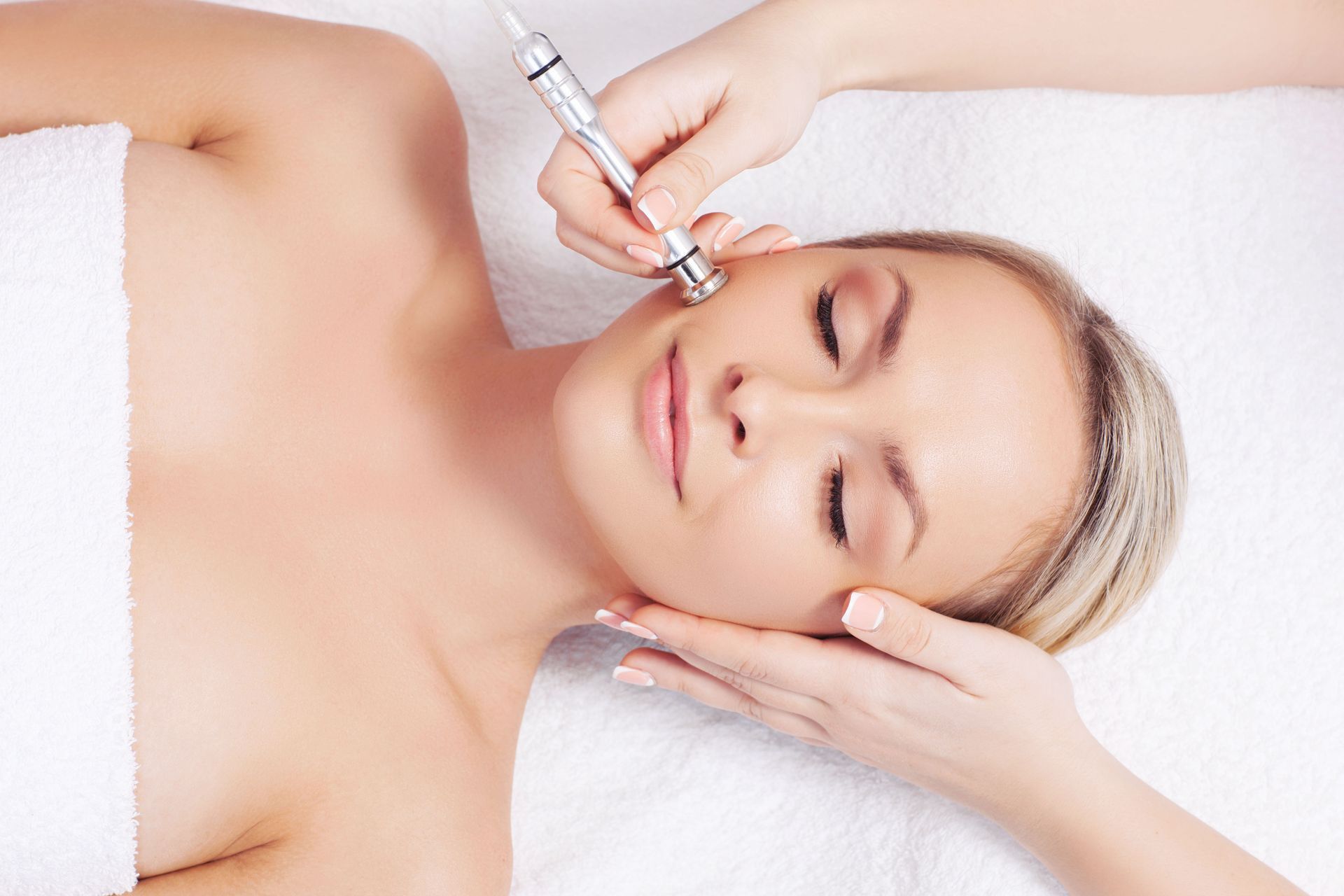
Developing true manual dexterity and mechanical accuracy is a cornerstone of your daily training. You will spend hours mastering the precise pressure needed for manual extractions, the proper angles for strip waxing, and the uniform movement patterns required for diamond-tip microdermabrasion. Esthetician programs also train students on how to use electrical aesthetic machines safely, ensuring you can adjust settings dynamically to match a client's skin tolerance without causing surface damage.
Cultivating Client Communication and Soft Skills
Succeeding as a licensed skincare specialist demands an exceptional set of interpersonal communication skills. You must learn how to guide a client through an initial consultation, asking targeted lifestyle questions to uncover hidden barriers to their skin health. Active listening and authentic empathy allow you to build long-term rapport, manage client expectations realistically, and handle sensitive conversations about physical insecurities with complete professionalism.
Building Practical Business and Marketing Acumen
Modern training tracks recognize that financial literacy is vital for long-term career growth, whether you want to work in a commercial day spa or manage your own private studio. Classes frequently cover the fundamentals of service pricing, retail product upselling, and digital brand building across social media platforms. Learning how to track your personal client retention metrics and manage operational supply budgets prepares you to function as a business-minded professional from day one.
Gaining Hands-On Clinical Experience
Most institutions feature fully operational on-campus clinic floors designed to mimic a luxury day spa or clinical medical facility. These spaces use professional hydraulic treatment tables, high-magnification lamps, and commercial-grade steamers to make your training feel completely realistic. Working on real members of the public in a controlled environment helps you build processing speed, overcome initial procedural nervousness, and learn how to maintain a calm, relaxing space under the pressure of a ticking clock.
Completing Industry Internships and Externships
Transitioning out of the classroom and into a professional workspace through a local externship program provides invaluable real-world perspective. Spending time inside an active salon, destination resort, or medical spa allows you to observe how experienced providers coordinate their daily schedules and handle complex client requests. This direct exposure helps you discover which specific work environment fits your personal pace, while building professional connections that frequently lead to immediate job offers upon graduation.
Utilizing Structured Peer Feedback and Simulation Labs
Before ever treating a real client, students use specialized simulation labs to practice complex protocols safely on training mannequins or peer classmates. This rehearsal phase gives you the freedom to troubleshoot common procedural issues—like adjusting chemical peel neutralizer times or correcting wax application temperatures—without any real-world risk. Receiving direct, step-by-step critiques from your field instructors helps you refine your hand movements and perfect your timing before stepping onto the main clinic floor.
Advancing Your Career Long-Term
Graduating from certified esthetician programs opens up an array of initial professional roles, including skincare consulting, bridal makeup design, and spa hospitality management. These early positions are critical stepping stones that allow you to refine your touch, understand client purchasing habits, and build a steady, local following. Accumulating consistent hours on a commercial floor establishes the baseline confidence required to pursue higher positions within the beauty industry.
Pursuing Advanced Medical and Management Pathways
For estheticians aiming for higher earning brackets, the industry offers lucrative pathways in clinical medical esthetics and luxury spa management. Working alongside plastic surgeons or dermatologists requires advanced knowledge of pre- and post-operative skin care, laser safety protocols, and medical-grade chemical resurfacing. Alternatively, moving into spa management allows you to oversee entire teams of service providers, coordinate wholesale inventory loops, and direct the marketing strategies for major wellness brands.
Committing to Continuing Education and Lifelong Learning
Because skincare chemistry and aesthetic devices change continuously, maintaining your professional edge requires a commitment to ongoing classroom updates. Top-tier estheticians regularly attend regional beauty conferences, complete specialized product manufacturing classes, and pursue advanced certifications in emerging techniques like microneedling or permanent cosmetics. Keeping your credentials updated ensures you remain fully compliant with evolving state board rules while offering your clients the most current treatments available.
Investing your time and capital into a comprehensive educational track protects your career path, preserves your professional development goals, and maximizes your industry potential permanently. Partnering with a dedicated academy ensures that your skin theory, practical device hours, and state board exam preparations are completed with academic precision.
When you are ready to evaluate local curriculum structures, tour advanced student clinic floors, or find the ideal esthetician programs to launch your new beauty career, choosing a dedicated training academy keeps your future on track. Get in touch with American Academy of Aesthetics to plan your upcoming enrollment with our admissions advisors. Reviewing our current class schedules, specialized training tracks, and financial aid options during your initial campus tour allows us to choose the right program structure to prepare you for the aesthetics market.
















Share On: